

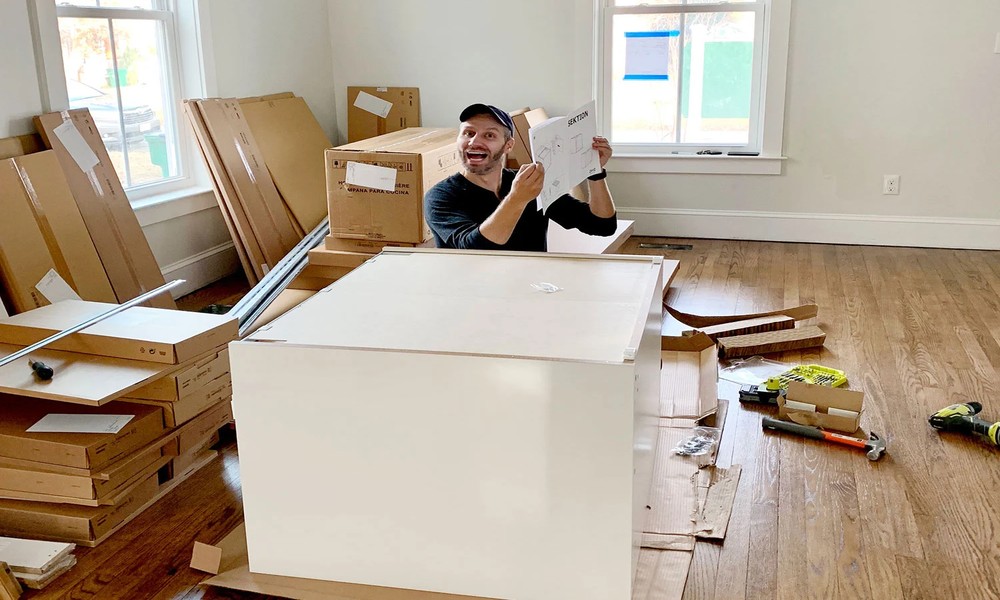
Renovating a home usually starts the same way. You’re excited. You’re scrolling through design ideas, imagining new layouts, picking materials, and thinking about how good everything will look once it’s done.
But somewhere along the way, especially in many projects across Johor Bahru, that excitement starts to fade.
Deadlines stretch. Costs shift. Decisions pile up. Communication becomes harder. And what started as an exciting upgrade slowly turns into a stressful experience.
So why does this happen so often? And more importantly, how do you prevent it and execute a renovation project?
1. The excitement phase is driven by visuals, not reality.
At the beginning of a renovation, everything is still theoretical.
You’re looking at:
- Pinterest boards
- 3D renders
- Showroom setups
Everything looks clean, simple, and perfectly executed.
But reality is very different.
Once work begins, you deal with:
- Structural limitations
- Wiring and plumbing constraints
- Site conditions that don’t match expectations
In many renovation projects in Johor Bahru, this gap between “idea” and “reality” is where stress first starts to build.
2. Budget expectations often aren’t fully aligned early on.
One of the biggest stress triggers is cost.
At the start, homeowners often have a rough budget in mind. But without detailed breakdowns, it’s easy to underestimate:
- Carpentry costs
- Material upgrades
- Electrical and plumbing work
- Unexpected site adjustments
As the project progresses, new costs appear.
And when expectations weren’t clearly set from the beginning, every adjustment feels like a surprise.
This is where excitement starts turning into frustration.
3. Decision fatigue becomes very real.
Renovation involves constant decision-making:
- Tile selections
- Colour palettes
- Lighting choices
- Furniture sizing
- Layout adjustments
At first, it feels fun.
But as the project continues, decision fatigue sets in.
Too many choices over too short a time leads to:
- Confusion
- Delayed approvals
- Second-guessing decisions
In many cases in Johor Bahru, this is when homeowners start feeling overwhelmed, even if the project is going well technically.
4. Communication gaps create unnecessary stress.
Renovation projects involve multiple parties:
- Contractors
- Designers
- Suppliers
- Homeowners
If communication is unclear or inconsistent, misunderstandings happen easily.
For example:
- Misinterpreted instructions
- Delayed updates
- Unclear timelines
Even small issues can feel bigger when information isn’t flowing properly.
In stressful projects, it’s rarely just the work-it’s the uncertainty around the work.
5. Site reality rarely matches initial expectations.
Even well-planned renovations face on-site surprises:
- Hidden structural issues
- Uneven walls or floors
- Material delays
- Measurement adjustments
These are normal, but they can feel disruptive when homeowners aren’t prepared for them.
In renovation projects across Johor Bahru, this is often the point where timelines stretch, and stress increases.
What felt like a clear plan suddenly becomes more fluid and unpredictable.
6. Too many changes during the project slow everything down.
Mid-project changes are one of the biggest stress factors.
Even small adjustments like:
- Moving a wall socket
- Changing cabinet design
- Switching materials
can affect timelines and costs.
When changes accumulate, they can:
- Delay progress
- Increase budget
- Create coordination issues
This is why many renovation projects feel smooth at first but chaotic later on.
7. Lack of clarity on timelines creates anxiety.
Renovation doesn’t just involve money-it involves time.
When timelines are vague or constantly shifting, homeowners start feeling:
- Uncertain about completion dates
- Frustrated with delays
- Anxious about progress
In many cases, the absence of a clear schedule causes more stress than the delays themselves.
In Johor Bahru, projects that stay on track usually have clearly defined milestones from the start.
8. Emotional attachment increases pressure.
A renovation isn’t just a project-it’s a personal space being transformed.
That emotional connection means:
- Every delay feels bigger
- Every mistake feels more personal
- Every decision carries more weight
What starts as excitement slowly turns into pressure because the home matters deeply to the homeowner.
This emotional layer is often underestimated.
9. How to prevent renovation stress before it starts.
The good news is that most of this stress is preventable with the right approach.
Here’s what helps most:
Clear planning upfront. Define layout, budget, and expectations early before work begins.
Detailed quotations. Break down costs so there are fewer surprises later.
Realistic timelines. Allow buffer time for delays instead of expecting perfection.
Fewer mid-project changes. Lock in decisions as early as possible.
Strong communication flow. Regular updates help reduce uncertainty and confusion.
In many successful renovations in Johor Bahru, it’s not that nothing goes wrong-it’s that problems are managed clearly and early.
Final Thoughts
Renovation projects often start with excitement because everything still feels possible.
But as reality sets in, stress can build if expectations, communication, and planning are not aligned.
The difference between a stressful renovation and a smooth one isn’t luck.
It’s structure.
When homeowners approach renovation with clarity, realistic expectations, and proper coordination, the process becomes much easier to manage-and the final result feels worth the journey.