

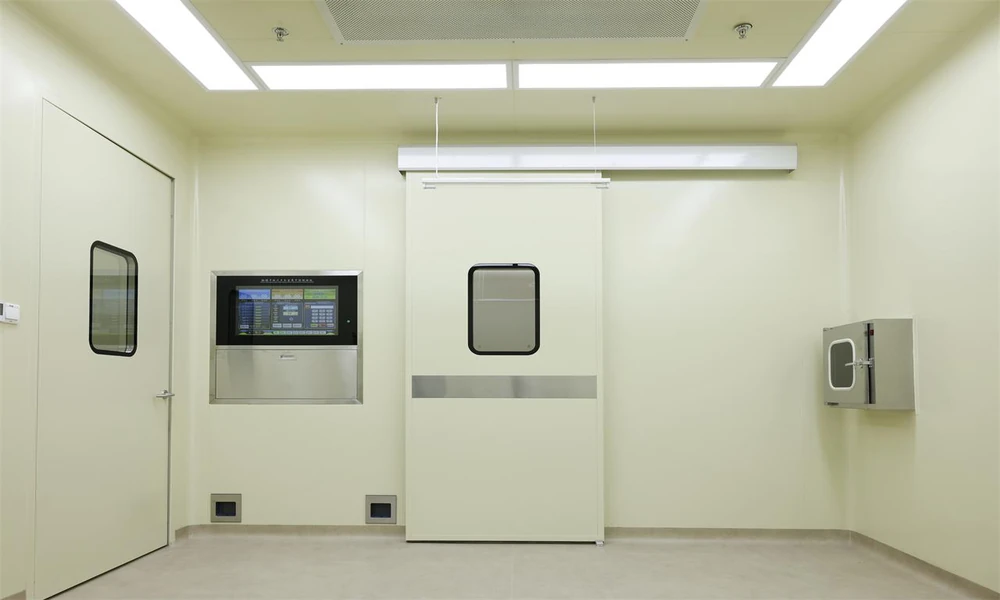
As healthcare demand continues to grow, hospitals worldwide are expanding their facilities to accommodate more patients, introduce new surgical specialties, and improve medical services. However, traditional hospital expansion projects often involve lengthy construction periods, complex engineering coordination, and significant disruption to daily operations.
To meet these challenges, many healthcare providers are choosing modular operating room systems. By using prefabricated construction and integrated engineering, modular operating theatres enable hospitals to expand surgical capacity more quickly and efficiently while maintaining high standards of quality and infection control.
The Need for Faster Hospital Expansion
Hospital expansion is driven by several factors, including:
- Growing patient populations
- Increasing demand for surgical procedures
- Aging healthcare infrastructure
- New medical technologies
- Government healthcare investment
For many hospitals, adding new operating rooms is essential to reducing waiting times and increasing surgical capacity. However, delays in construction can postpone these benefits and affect hospital revenue.
Faster Construction Through Prefabrication
One of the biggest advantages of modular operating theatres is their speed of installation.
Unlike traditional construction, modular OT components are manufactured in a controlled factory environment before being delivered for assembly.
These prefabricated components typically include:
- Antibacterial wall panels
- Ceiling systems
- Hermetic doors
- Stainless steel built-in furniture
- Integrated utility systems
Because manufacturing and site preparation can occur simultaneously, overall project timelines are significantly reduced.
Minimizing Disruption to Hospital Operations
Many hospital expansion projects take place while the facility remains fully operational. Traditional construction can create noise, dust, and restricted access that interfere with patient care.
Modular operating theatres require less on-site fabrication and generate far less construction debris. Faster installation also shortens the period of disruption, allowing hospitals to continue delivering healthcare services while expansion work is underway.
This is particularly beneficial for hospitals with limited operating room capacity that cannot afford long shutdown periods.
Simplified Engineering Coordination
An operating theatre integrates multiple technical systems, including HVAC, medical gas pipelines, electrical infrastructure, lighting, and cleanroom components.
Coordinating these systems during conventional construction can be time-consuming and may lead to delays or costly rework.
Modular operating theatres are designed as integrated systems, with engineering coordination completed during the design and manufacturing stages. This reduces installation complexity and improves project efficiency.
Flexible Expansion for Future Growth
Hospital expansion is often an ongoing process rather than a one-time project.
Modular operating theatres provide the flexibility to:
- Add new operating rooms
- Expand surgical departments
- Upgrade existing facilities
- Integrate new medical technologies
Their modular design allows hospitals to adapt to changing healthcare demands without major structural modifications, making long-term planning more practical and cost-effective.
Improved Quality and Infection Control
Factory-controlled manufacturing ensures that modular OT components are produced with consistent quality and precision.
Modern modular operating theatres incorporate:
- Seamless antibacterial wall panels
- Laminar airflow systems
- HEPA filtration
- Hermetic doors
- Positive pressure ventilation
These features help maintain cleanroom conditions and support effective infection control, ensuring that newly expanded surgical facilities meet modern healthcare standards from day one.
Lower Project Risk and Better Cost Control
Construction delays, material waste, and coordination issues are common challenges in traditional hospital expansion projects.
Modular operating theatres reduce these risks by offering:
For hospital owners and project managers, this results in greater budget certainty and more reliable project delivery.