

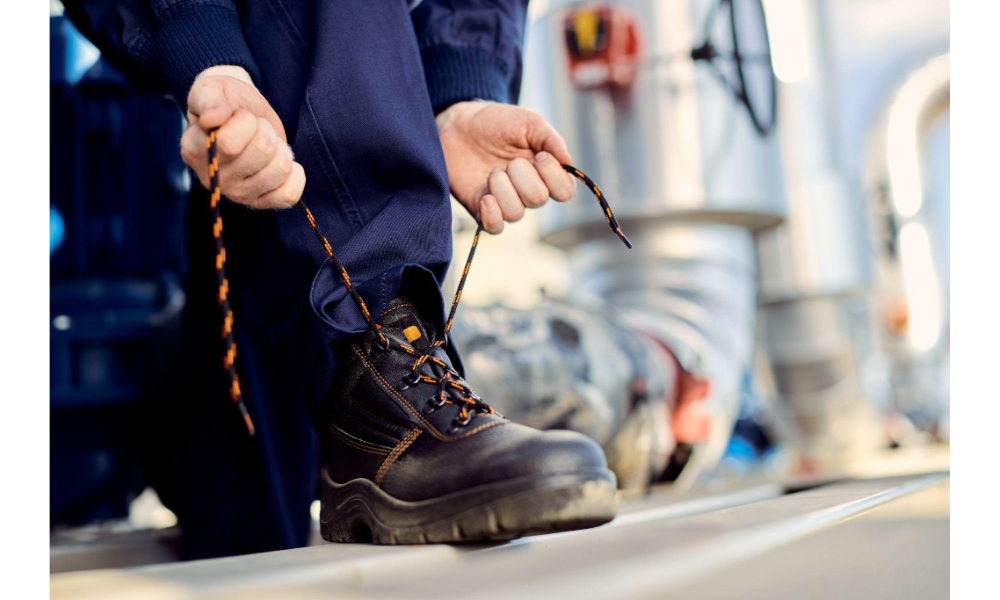
Foot protection often gets treated as a box-ticking exercise, yet boots play a daily role in preventing injuries and fatigue. Different jobs place different demands on footwear, from impact resistance to slip control and long-hour comfort. Choosing the right pair helps workers stay steady on their feet and focused on tasks, without feeling like they are dragging bricks around all day.
Identifying Workplace Foot Hazards
Work environments present varied risks to feet and ankles. Construction sites deal with falling objects and uneven surfaces, while warehouses face constant movement across polished floors. Manufacturing settings introduce sharp debris, chemicals, and heavy equipment that increase injury risk.
Protective footwear addresses these hazards through reinforced toes, puncture-resistant soles, and controlled grip. In many industries, safety boots in Singapore form part of standard safety requirements due to local regulations and the mix of indoor and outdoor work conditions.
Matching Boots to Job Demands
Not all boots serve the same purpose. Jobs involving heavy lifting benefit from strong toe protection, while roles requiring frequent movement need flexibility and reduced weight. Wearing unsuitable footwear increases fatigue and distraction, which raises accident risk.
Roles involving long hours of walking or standing benefit from reduced load and flexibility, which lightweight safety shoes provide. Lower weight eases strain on joints and supports natural movement during shifts. Selecting footwear that matches job demands improves comfort without compromising essential protection.
Comfort and Fatigue Over Long Shifts
Footwear comfort affects performance throughout the day. Poor cushioning and stiff soles contribute to foot pain, back discomfort, and reduced concentration. Over time, discomfort encourages unsafe habits such as improper posture or rushed movement.
Modern designs focus on cushioning, breathability, and ergonomic shaping. Pressure distributes more evenly across the foot, helping workers maintain energy during extended shifts when using lightweight safety shoes. Comfort features support consistent use, which matters for safety compliance.
Slip Resistance and Surface Control
Slips and falls remain a leading cause of workplace injuries. Smooth floors, wet surfaces, and loose debris increase the chance of losing balance. Sole design plays a critical role in managing grip.
Outsole patterns and rubber compounds affect traction across different surfaces. Humid conditions and indoor flooring common in local workplaces are often considered when selecting safety boots in Singapore. Choosing footwear with suitable slip resistance reduces falls during routine movement.
Protection Without Excess Bulk
Some workers avoid protective footwear due to perceived weight and stiffness. Heavy boots slow movement and add fatigue, particularly in fast-paced environments. This perception leads to inconsistent wear.
Balancing protection with mobility becomes possible through material selection, which lightweight safety shoes achieve. Reinforced toes and puncture resistance remain intact without excessive bulk. Reduced weight encourages all-day wear without compromising safety standards.
Durability and Cost Management
Footwear experiences constant wear through friction, moisture, and impact. Low-quality boots degrade quickly, leading to frequent replacement and inconsistent protection. Worn soles and weakened uppers increase injury risk.
Predictable replacement cycles depend on material resilience suited to local conditions, a factor often addressed by safety boots in Singapore supplied to industrial settings. Consistent quality helps organisations manage costs while maintaining safety standards.
Compliance and Workplace Expectations
Safety regulations outline minimum footwear requirements based on hazard exposure. Employers remain responsible for ensuring suitable protection is available and used correctly. Non-compliance leads to penalties and increased liability.
Certified footwear simplifies compliance checks and audits. Comfort and regulation align more easily when recognised standards are met, which lightweight safety shoes allow, reducing resistance from workers and simplifying enforcement.
Fit and Sizing Considerations
Proper fit influences both safety and comfort. Ill-fitting boots cause blisters, instability, and uneven weight distribution. Poor fit also reduces the effectiveness of protective features. Foot shape, sock thickness, and movement needs should guide sizing decisions, with flexible materials often improving fit options when choosing lightweight safety shoes, helping workers achieve stable footing throughout the day.
Supporting Productivity and Safety Culture
Footwear choices influence behaviour on site. When boots feel uncomfortable or restrictive, compliance drops. Comfortable, suitable footwear encourages consistent use without reminders. Providing appropriate options signals a practical approach to safety. Workers equipped with suitable boots move with confidence and maintain focus on tasks instead of discomfort.
Practical Takeaways for Choosing Safety Footwear
Selecting the right footwear requires matching job risks with design features. Protection, comfort, grip, and durability all influence safety outcomes. Evidence from workplace safety reports consistently links proper footwear selection with reduced foot and slip-related injuries.
Contact SafetySam to discuss footwear options, fit considerations, and practical guidance that align with workplace safety requirements.