

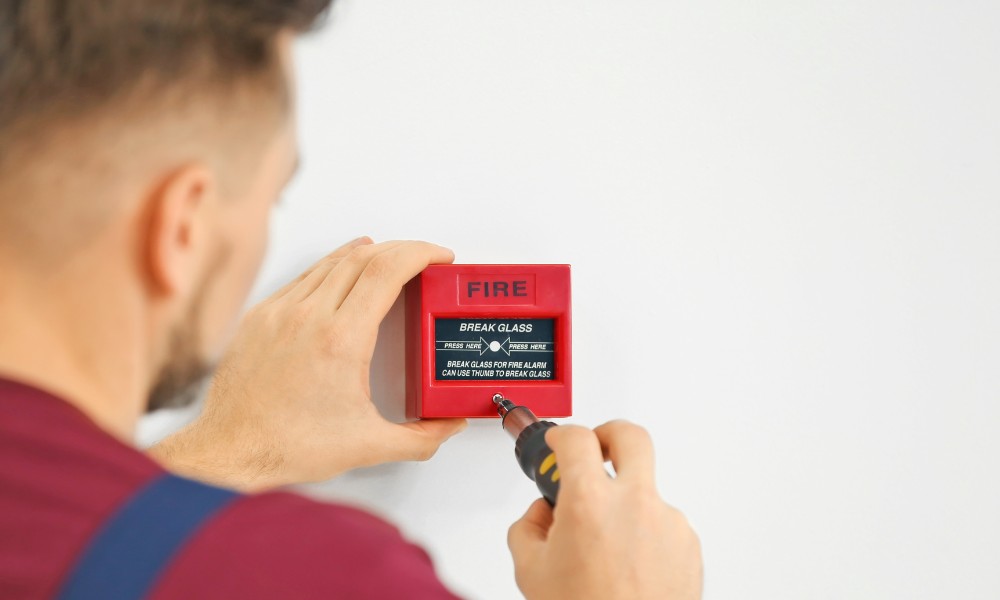
Daily activity inside busy buildings usually keeps people distracted from thinking about emergency systems for very long. Employees focus on work, visitors move through entrances, and equipment keeps operating quietly in the background throughout the day. Safety devices stay mounted on ceilings and walls without attracting attention unless testing begins or alarms suddenly interrupt everything. After hearing stories involving smoke damage electrical failures or evacuation confusion many business owners start searching learn more because emergency preparation feels completely different once people experience how quickly normal routines can change during unexpected situations.
Better Alarm Coverage Helps People React Faster
Emergency alerts only work properly when people can hear and recognize them immediately. Buildings with several rooms, long hallways, or noisy work areas sometimes create weak spots where warning sounds become harder to notice quickly.
That delay may cause confusion once employees stop understanding whether the alarm is serious or temporary. Clear coverage helps reduce hesitation because people receive warnings at nearly the same time across different sections of the building.
Placement Affects How Systems Perform
Emergency equipment depends heavily on proper positioning throughout the property. Smoke detectors installed too close to vents, blocked alarm speakers, or hidden emergency lights sometimes reduce system effectiveness during emergencies.
|
Safety Component |
Purpose |
|---|---|
|
Smoke detectors |
Detect smoke earlier |
|
Alarm speakers |
Warn occupants clearly |
|
Emergency lights |
Improve visibility |
|
Pull stations |
Allow manual alerts |
|
Backup batteries |
Support systems during outages |
|
Exit signs |
Help guide evacuations |
Testing Systems Prevents Unexpected Problems
Buildings change over time without people noticing immediately. Storage areas move, equipment gets replaced, and office layouts gradually become different from the original setup.
Emergency systems sometimes struggle keeping up with those changes if inspections happen too rarely. Weak batteries, damaged wiring, or outdated equipment may learn more to continue unnoticed because everything still appears functional during ordinary days.
Employees Should Recognize Emergency Signals
Simple walkthroughs and occasional testing often help employees react faster once stressful situations begin affecting the building. Familiarity usually reduces panic because people already understand where exits are located and how systems operate.
Preparation rarely feels important during quiet periods until one unexpected incident suddenly changes everyone’s attention toward building safety.
Delayed Maintenance Creates Larger Risks Later
Property owners balancing staffing, expenses, and daily operations sometimes postpone inspections longer than intended. Emergency systems continue sitting overhead quietly, making everything appear dependable enough for another few months.
After enough emergency scares, failed alarm tests, or unexpected electrical problems, safety equipment usually stops feeling like something people can deal with later. Buildings stay busy every day, but the moment confusion spreads through hallways or smoke interrupts normal activity, everyone suddenly depends on those warning systems responding exactly the way they should.