

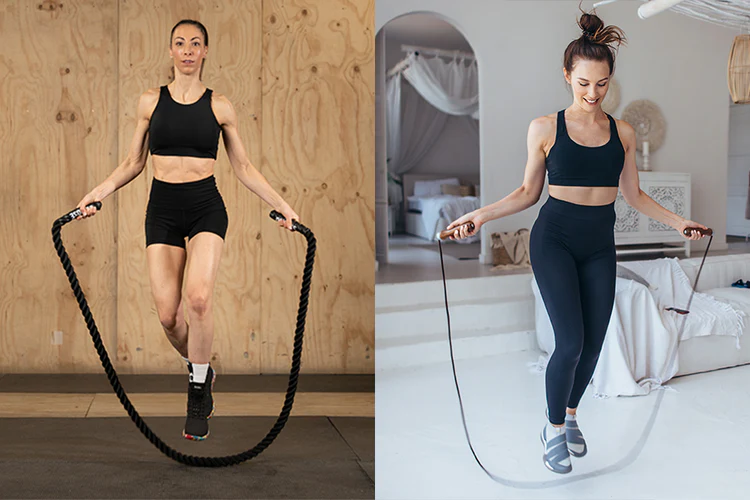
For a long time, jumping rope has been one of the easiest and most effective ways to work out. From professional athletes to home fitness enthusiasts, people rely on rope workouts for cardiovascular endurance, coordination, and calorie burning. But as training methods evolve, many are asking an important question: Does a Weighted Jump Rope offer better results than a standard rope? You can pick the best tool for your needs if you know the differences.
Understanding the Standard Jump Rope
A standard jump rope is typically lightweight and designed for speed. It allows quick rotations, making it ideal for improving footwork, agility, and rhythm. Because it requires minimal resistance, users can perform longer sessions without excessive muscle fatigue.
Standard ropes are especially popular among beginners. They help develop timing, coordination, and basic cardiovascular fitness. For people focused primarily on endurance training or high-speed interval sessions, a lightweight rope delivers consistent performance.
However, while standard ropes are excellent for improving stamina and coordination, they provide limited resistance. That means muscle engagement in the shoulders, forearms, and upper body may not be as intense compared to heavier options.
What Makes a Weighted Jump Rope Different
A Weighted Jump Rope includes added mass in the rope itself or in the handles. This extra resistance changes the entire workout dynamic. Each rotation requires more effort from the wrists, shoulders, arms, and core. The added weight increases muscular engagement while maintaining the cardio benefits of traditional skipping.
Because of the resistance factor, workouts with a heavier rope often feel more demanding in a shorter time. The body works harder to maintain a consistent rhythm, which can improve both strength and endurance simultaneously.
Athletes frequently incorporate weighted ropes to build power and explosiveness. The resistance helps improve shoulder stability and grip strength while also engaging the core more intensely during each jump.
Calorie Burn and Cardiovascular Benefits
Both types of ropes are effective for burning calories. Jump rope training in general can elevate heart rate quickly and improve cardiovascular health. However, the added resistance of a Weighted Jump Rope often increases overall energy expenditure.
When more muscle groups are activated, the body requires additional oxygen and energy. This can translate into higher calorie burn per session compared to a standard rope, especially during high-intensity intervals.
That said, beginners may find that the lighter rope allows them to sustain longer sessions. In some cases, duration can balance out resistance. The best choice depends on whether you prefer longer endurance workouts or shorter, strength-focused sessions.
Muscle Engagement and Strength Development
One of the biggest differences lies in muscular activation. Standard ropes primarily target the lower body and cardiovascular system. While arms and shoulders are involved, they do not face significant resistance.
In contrast, a Weighted Jump Rope turns a cardio exercise into a hybrid strength workout. The shoulders, biceps, forearms, and even upper back muscles engage more actively. Over time, this can help tone muscles and make the upper body stronger.
Core activation also increases because the body must stabilize against the added momentum. This makes weighted rope training particularly appealing for those who want more than just a cardio session.
Skill, Speed, and Coordination
If speed and advanced tricks are your primary focus, a standard rope may offer greater control. Lightweight ropes rotate quickly and respond faster to wrist movements. This makes them ideal for double unders, crossovers, and intricate footwork drills.
Heavier ropes move more slowly, which can actually help beginners develop rhythm and timing. The added weight provides better feedback during rotation, making it easier to sense positioning. However, performing high-speed tricks may require more strength and practice.
Which One Should You Choose
The decision ultimately depends on your fitness goals. If your primary objective is endurance, agility, and mastering complex jump techniques, a standard rope is a strong choice. It supports longer workouts and faster movement patterns.
If you want to combine cardio with strength development, a Weighted Jump Rope may deliver more comprehensive results. It increases muscle engagement, boosts calorie burn in shorter sessions, and challenges overall stamina.
Many fitness enthusiasts benefit from using both. Alternating between lightweight and weighted sessions can create balanced training that improves speed, power, and endurance together.
In the end, both tools are effective. The better option is the one that aligns with your goals, fitness level, and workout style.