

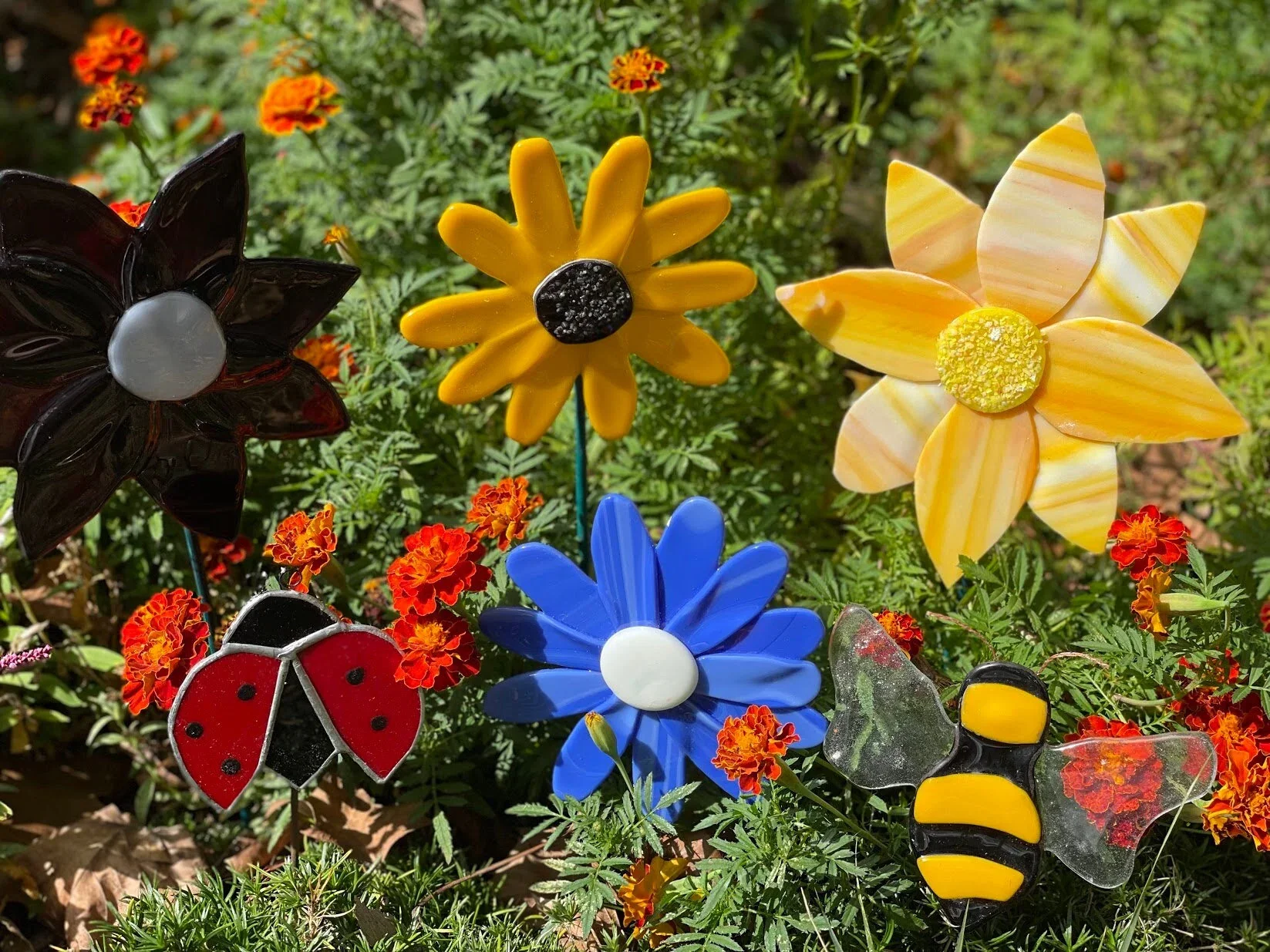
Some creative hobbies feel loud and busy. Fusible glass feels different. It slows things down. You choose a sheet, feel its weight, notice how the light moves through it, then decide what comes next. There is no rush. That quiet pace is what pulls many people toward glass art in the first place. When artists work with Hollander fusing glass supplies, the focus stays on ideas and flow instead of fixing surprises after firing. That sense of trust changes how freely people create.
Ideas Usually Start Small
Most glass projects do not begin with a perfect plan. They begin with curiosity. A color catches your eye. A shape feels interesting. Some days inspiration comes from nature, like water lines or leaves. Other days it comes from daily life, such as window reflections or fabric patterns. Many artists simply place pieces on the table and wait for something to click. That moment matters more than any sketch.
Color Choices Shape the Mood
Color decisions set the emotional tone of a piece. Soft transparent shades feel calm and open. Strong opaque colors feel confident and grounded. When both appear together, the glass gains depth without effort. Beginners often do better limiting colors at first. Fewer choices make it easier to understand how heat changes appearance. Over time, mixing becomes more intuitive.
Wall Panels That React to Light
Fused glass panels have a unique relationship with light. They never look the same twice. Morning light feels gentle. Afternoon light feels sharp. Evening light feels warm and calm. This constant change makes panels feel alive. Some artists prefer abstract designs that allow light to do the work. Others use simple shapes inspired by plants or water. Larger panels require patience but often bring the greatest satisfaction.
Mixing Glass with Other Materials
Glass does not need to exist alone. Wood adds warmth and softness. Metal adds structure and contrast. A simple wooden frame can turn a glass panel into a finished artwork. Metal stands make pieces feel intentional rather than decorative. Mixed material projects encourage artists to think about where their work will live, not just how it looks.
Progress Comes From Repetition
Every firing teaches something. Sometimes it teaches patience. Sometimes it teaches humility. Keeping notes helps track what works and what does not. Over time, patterns appear. Confidence grows quietly. Many artists notice that working consistently with Hollander fusing glass supplies removes uncertainty from the process, making growth feel smoother and more natural.
Fusible glass art rewards those who stay present with the process. It is not about speed or perfection. It is about attention, curiosity, and learning through repetition. Each project builds understanding, whether it becomes a wall panel, a piece of jewelry, or a functional object. With steady practice and dependable materials, artists continue discovering new ways to shape light, color, and quiet creativity into something meaningful.