

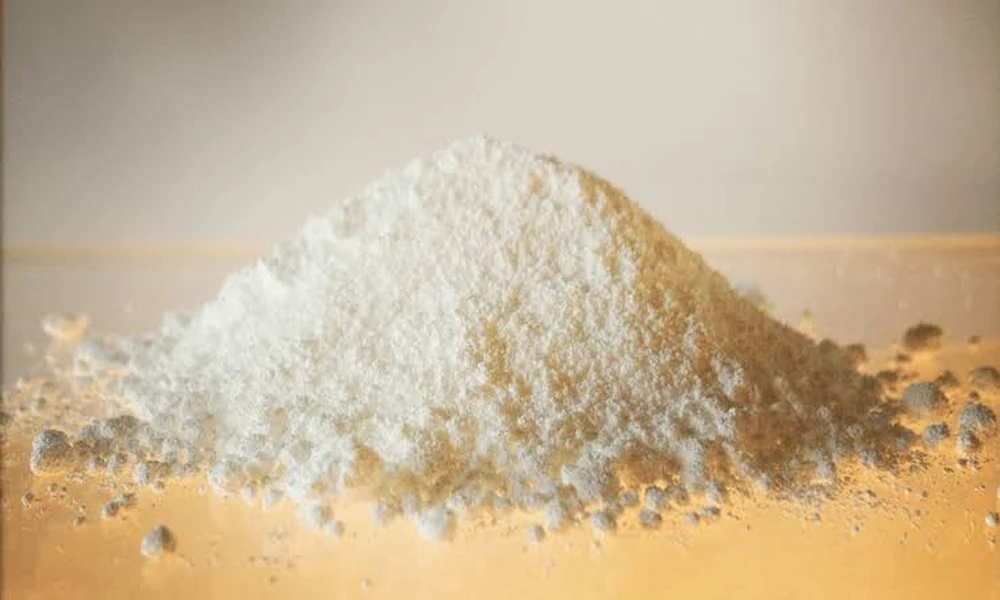
A line supervisor at a tyre plant pulls a test strip off the press, stretches it, and frowns. It’s slightly stiffer than yesterday’s batch, though nothing in the recipe changed. Nine times out of ten, the answer sits in a powder most people never think about. That’s why rubber factories choose their zinc oxide suppliers as carefully as they choose their machinery.
What Zinc Oxide Actually Does in Rubber?
Raw rubber is soft and sticky. Useless for a tyre. It needs vulcanisation, the process that links rubber chains together with sulphur under heat.
Zinc oxide is the activator that makes that process work properly. Paired with stearic acid, it speeds up curing and helps form a tighter, more even network of links. The result is rubber that stretches, recovers, and handles heat without breaking down. It also helps carry heat away during use, which matters when a tyre spends hours on a hot road.
The rubber sector is often estimated to use around half of the world’s zinc oxide. Tyres take the biggest share.
Not All Zinc Oxide Behaves the Same
Here’s a belief worth questioning. Plenty of buyers treat zinc oxide as a basic commodity, assuming one white powder is as good as another. It isn’t.
Particle size, surface area, and purity all change how quickly rubber cures. A batch with lower surface area reacts more slowly. Trace impurities can affect ageing. That inconsistency is exactly what the supervisor felt in that stiff test strip.
The belief survives because the powder looks identical every time. The difference only shows up later, on the testing bench.
Where Supplier Choice Makes a Difference?
Reliable zinc oxide suppliers provide a certificate of analysis with every batch, listing purity and surface area. Some offer active grades with higher surface area, which let factories use less zinc for the same cure. That’s increasingly useful as environmental rules push manufacturers to cut zinc levels in rubber products.
| Grade | Typical Use | Main Advantage |
| Standard zinc oxide | General rubber goods | Reliable, widely available |
| Active zinc oxide | Tyres, technical rubber | Lower dosage for similar curing |
| Composite zinc oxide | Cost sensitive products | Balances performance with price |
Common Questions
- Why can’t factories switch suppliers freely? Each change can alter curing time, so new material usually needs testing first.
- Does more zinc oxide mean better rubber? Not beyond a point. Excess adds cost and environmental load without much benefit.
- What should a certificate of analysis show? At minimum, zinc oxide content, surface area, and limits for impurities such as lead.
A Practical Next Step
Before the next purchase order, ask your current supplier for the last six certificates of analysis. Line them up and compare surface area figures. If they wander noticeably, that’s the conversation to have.