

Spend a day in Singapore, and it’s clear that construction is part of the landscape. New developments, infrastructure upgrades, and constant improvements keep the city moving forward. But in such a dense environment, managing construction noise becomes just as important as the work itself.
With residential buildings, offices, schools, and public spaces often located just metres away from active sites, even routine construction activity can have a noticeable impact. That’s why noise control isn’t treated as an afterthought. It’s planned, regulated, and continuously managed throughout the project.
Noise barriers in Singapore are one of the most visible tools used, but they’re only part of a broader approach.
Why Dense Environments Make Noise Harder to Control
In less crowded areas, sound has more space to dissipate. In Singapore, buildings are close together, and surfaces like glass, concrete, and steel reflect sound easily.
This creates a situation where noise doesn’t just travel outward from the construction site. It bounces between structures, moves along corridors of buildings, and reaches areas that aren’t directly in line with the source.
Because of this, even moderate construction activity can feel more pronounced in dense urban settings.
The Role of Noise Barriers on Construction Sites
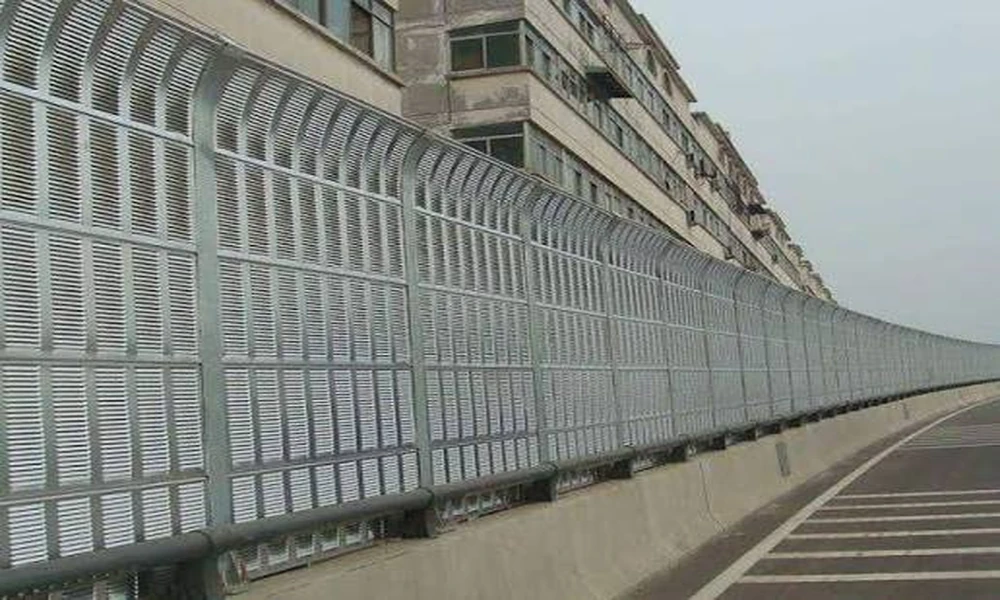
Noise barriers are usually the first line of defence. They are installed around the perimeter of construction sites or around specific noisy operations. Their main job is to block the direct path of sound between the source and surrounding areas.
When properly positioned, they reduce how much noise reaches nearby buildings, particularly at lower levels where most people are located.
In Singapore, these barriers are commonly seen as temporary walls made from metal panels, acoustic boards, or other dense materials designed to limit sound transmission.
Why Barriers Alone Aren’t Enough
While noise barriers are important, they don’t solve every problem. Sound doesn’t only travel in straight lines. It can go over the top of barriers, pass through gaps, and reflect off nearby structures.
In high-rise buildings, sound can even travel upwards and reach upper floors with little obstruction. This means that relying on barriers alone often leaves gaps in noise control. To manage noise effectively, other strategies need to be used alongside them.
Managing Noise at the Source
One of the most effective ways to control construction noise is to address it at the source.
This includes:
- Using equipment designed to produce less noise
- Maintaining machinery to prevent unnecessary sound
- Choosing construction methods that generate less impact
For example, certain piling techniques are preferred over others because they create less vibration and noise. These decisions are often guided by regulations and project requirements.
Reducing noise at the source means there is less to manage later.
Strategic Placement of Noisy Activities
In tight construction sites, even small changes in positioning can make a difference.
Whenever possible, noisy equipment is placed further away from sensitive areas such as residential blocks, schools, or offices. Temporary structures or site layouts are adjusted to help shield these areas.
While space is limited, careful planning can still reduce how directly sound reaches surrounding environments.
Scheduling and Time Restrictions
Another key part of noise management in Singapore is scheduling.
There are strict guidelines on when certain types of construction work can take place, particularly during early mornings, evenings, and weekends.
High-noise activities are often planned during less sensitive hours to minimise disruption. This doesn’t eliminate noise, but it helps reduce its impact on daily routines.
Timing plays a big role in how noise is perceived by the public.
Using Additional Acoustic Measures
Beyond noise barriers, construction sites often use other forms of acoustic control.
These may include:
- Acoustic enclosures around particularly loud equipment
- Temporary sound-absorbing materials within the site
- Secondary barriers to manage reflections
These measures help address areas where barriers alone are less effective, such as reflections from nearby buildings or noise escaping through gaps.
Monitoring and Compliance
Noise management in Singapore isn’t just about installation. It’s also about ongoing monitoring.
Construction sites are often required to measure noise levels at specific points to ensure they remain within regulated limits. If levels exceed acceptable thresholds, adjustments need to be made.
This could involve changing work methods, repositioning equipment, or adding additional control measures.
Regular monitoring ensures that noise control remains effective as the project progresses.
Communication With the Public
Managing construction noise also involves communication.
Developers and contractors often inform nearby residents and businesses about upcoming works, especially if they involve higher noise levels.
This helps set expectations and reduces frustration. When people understand what’s happening and why, they’re generally more tolerant of temporary disruption.
Visible measures like noise barriers reinforce the message that efforts are being made to manage the situation.
The Challenge of High-Rise Environments
One of the unique challenges in Singapore is building height.
Noise doesn’t just affect people at ground level. It can travel upwards and reach higher floors, especially when there are reflective surfaces nearby.
This makes noise control more complex. Barriers need to be combined with other strategies to manage how sound moves vertically as well as horizontally.
It’s one of the reasons why a layered approach is so important.
A Balanced Approach to Noise Control
Effective noise management in dense areas isn’t about a single solution. It’s about combining different strategies to address how sound behaves in real conditions.
Noise barriers play a key role by blocking direct sound paths. Source control reduces how much noise is generated in the first place. Scheduling, placement, and additional treatments help manage what remains.
Together, these measures create a more balanced and controlled environment.
Final Thoughts
In a city like Singapore, construction and daily life happen side by side. Managing noise in such close proximity requires more than just basic solutions.
Noise barriers are an important part of the process, but they work best when supported by careful planning, proper equipment, and ongoing monitoring.
When all these elements come together, construction projects can move forward while keeping disruption at a level that feels manageable for the people around them.
It’s not about eliminating noise completely. It’s about managing it in a way that works within the realities of a dense urban environment.