

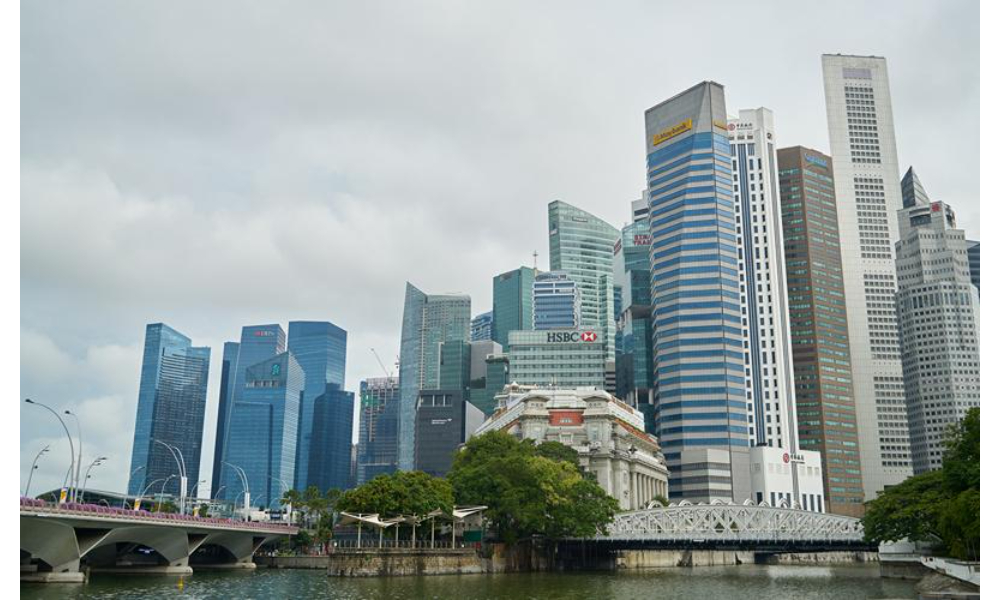
Property value in Singapore is determined by a range of economic, structural, and environmental factors. Whether you are buying, selling, or investing, understanding these elements is essential. Detailed valuation reports help identify the strengths and weaknesses of a property, ensuring fair pricing and informed decision-making. By examining the key factors that drive value, property owners and investors can better position themselves in the market.
1. Location and Accessibility
Location remains one of the strongest indicators of property value. Properties close to central business districts, MRT stations, bus interchanges, and major expressways typically command higher prices. Accessibility to amenities such as schools, hospitals, and shopping centres further strengthens demand. Buyers and tenants often prioritise convenience, making well-connected properties more attractive in the long run.
Neighbourhood development plans also influence pricing. Future transport upgrades, commercial hubs, or upcoming infrastructure projects can raise the desirability of a location. Regularly reviewing valuation reports allows property owners to track how these changes affect market performance. Properties in emerging districts may experience significant appreciation over time as surrounding developments progress.
2. Property Condition and Design
The physical state of a property plays a major role in determining its value. Well-maintained properties require fewer renovations, making them more appealing to potential buyers or tenants. Factors such as structural integrity, quality of fixtures, and efficient use of space all contribute to a stronger valuation. A clean, functional, and modern interior can often justify a higher price point.
Design also matters. Properties with layouts that maximise natural light, ventilation, and usable floor area often enjoy a competitive edge. Valuation reports typically reflect these characteristics, providing a clear picture of how property features align with current market expectations. Investing in necessary upgrades and repairs can help owners maintain or increase their property’s worth.
3. Age and Tenure of the Property
Older properties often experience depreciation due to wear and tear. However, properties in prime locations or with unique architectural features may retain or even increase their value. Buyers typically weigh the cost of maintenance against the benefits of location and land size. For newer developments, modern facilities and longer lease durations can make them more attractive.
In Singapore, leasehold tenure plays a critical role in pricing. Properties with longer remaining leases tend to maintain higher values. Once the lease runs down, valuation reports typically show a gradual decrease in worth. Owners looking to sell or refinance should pay close attention to how tenure affects their property’s standing in the market.
4. Market Demand and Economic Conditions
Broader economic trends have a direct impact on property value in Singapore. When the economy is strong, demand for residential and commercial properties tends to rise, pushing up prices. Conversely, during economic slowdowns, demand may soften, resulting in slower price growth or temporary declines. Monitoring these patterns helps investors make well-timed decisions.
Government policies, such as property cooling measures or loan restrictions, also influence buyer behaviour. A stable economy with consistent housing demand gives property owners more leverage in the market. Reviewing valuation reports during different economic cycles can highlight how external conditions shape property worth over time.
5. Surrounding Amenities and Environment
Proximity to good schools, healthcare facilities, parks, and shopping malls significantly boosts property value. Neighbourhood amenities enhance the living experience, making homes more desirable to families and working professionals. Green spaces and waterfront views also add premium appeal.
Noise levels, air quality, and overall neighbourhood cleanliness also influence how a property is perceived. Buyers are often willing to pay more for properties in pleasant and well-maintained surroundings. This is why many valuation reports include a section on location attributes and environmental factors.
Conclusion
Knowing the factors that influence property value allows buyers, sellers, and investors to make smarter decisions. Location, property condition, market conditions, tenure, and surrounding amenities all play a crucial role in determining worth. Regularly reviewing valuation reports ensures that you stay informed and can act strategically in a competitive property market.
Get a clearer understanding of your property’s worth with professional insights. Contact CKS Property today for accurate valuation and expert advice.